

Sore Scalp? Gentle Remedies That Actually Soothe a Tender Head
A sore scalp that aches when you part your hair, move your braids, or even just tie a ponytail is more common than most people think, and it usually has a fixable cause. This post walks through what's actually making your scalp tender, the gentle remedies that calm it down, and the few things to stop doing right away. It's for anyone with a sensitive or sore scalp, whatever your hair type or texture.
A sore scalp natural hair remedy that works starts with relieving tension and restoring moisture: take your hair down from any tight style, do a slow scalp massage with a lightweight oil to boost circulation and loosen tightness, wash with a gentle sulfate-free cleanser, and skip heat and tension until the soreness settles. Most tenderness eases within a few days once the cause is removed.
What causes a sore or tender scalp?
Most scalp soreness comes from tension, buildup, or dryness, not from anything serious. The good news is that all three are things you can change at home.
Tension is the most common cause. Tight braids, slicked-back ponytails, buns, and protective styles pull at the hair follicles for hours or days at a time. That constant tugging inflames the area around each follicle, which is why your scalp can feel tender to the touch even after you take the style down.
Buildup is the next culprit. Dry shampoo, heavy products, sweat, and dead skin collect on the scalp and clog follicles, leaving the skin irritated and sensitive. Dryness does the same from the other direction: a scalp stripped of its natural oils gets tight, flaky, and sore, especially in winter or after harsh shampoos. Less often, soreness points to something medical like an infection or a skin condition, which the last section covers.
How do you soothe a sore scalp at home?
Start by removing the source of tension, then rehydrate and clean the scalp gently. The fastest relief comes from taking your hair down and giving the skin a break.
Here's the sequence that works for most people:
- Take it down. Remove tight braids, ponytails, or buns and let your hair sit loose for at least a day. This alone resolves a lot of tension soreness.
- Massage with a light oil. Use your fingertips, not your nails, to massage slowly for two to three minutes. This boosts circulation and loosens the tight feeling.
- Wash gently. Cleanse with a sulfate-free shampoo to lift buildup without stripping the scalp further. Massage it in with your fingertips, not your nails.
- Rehydrate. Follow with a conditioner and, between wash days, a few drops of oil worked into the scalp to keep it from drying out and tightening again.
- Lower the heat and tension. Skip blow dryers, flat irons, and tight styles until the soreness is fully gone.
If your scalp is sore mostly because it's dry and tight, our guide on why hair feels dry after washing breaks down how to adjust your routine without switching products.
Can scalp oiling and massage help a tender scalp?
Yes, a slow scalp massage with oil is one of the most effective ways to relieve a tender scalp, because it eases tension and improves blood flow to the area. The key is pressure and patience: gentle, circular movements with the pads of your fingers, never your nails.
There's real research behind massage, too. A 2016 study published in Eplasty (Koyama et al.) had participants perform a standardized four-minute scalp massage daily for 24 weeks and measured increased hair thickness by the end, which the researchers attributed to stretching forces stimulating the cells at the base of the follicle. The study was small, but it's a solid signal that consistent, gentle massage does meaningful things at the scalp, not just in the moment.
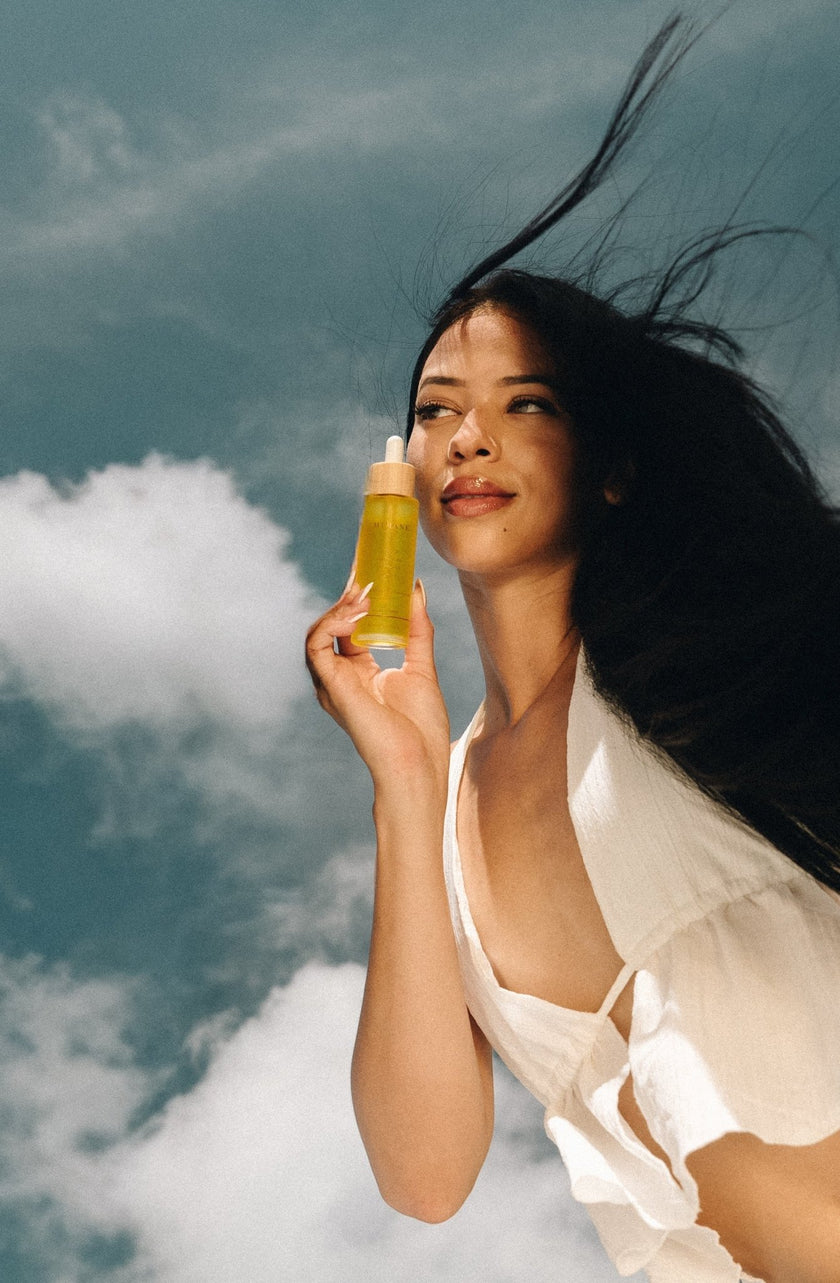
Adding a lightweight oil makes the massage more comfortable and adds slip so you're not dragging on already-sore skin. A few drops of the Growth & Strengthen Hair Oil worked in slowly is enough. If you want the exact pressure and timing, we walk through it step by step in our 3-minute scalp massage technique.
One note: if your scalp is sore from buildup rather than tension, oil massage feels good but doesn't fix the root cause. In that case, cleanse first, then massage on a clean scalp.
Which ingredients calm an irritated scalp, and which to avoid?
The ingredients that soothe a sore scalp are the gentle, anti-inflammatory, and moisture-supporting ones. The ones to avoid are sulfates, drying alcohols, and heavy synthetic fragrance, which all aggravate already-sensitive skin.
What helps:
- Aloe vera calms inflammation and adds lightweight moisture without sitting heavy on the skin.
- Jojoba oil closely mimics the scalp's own sebum, so it absorbs and balances rather than clogging.
- Tea tree and rosemary oils support a clean, healthy scalp environment, which matters when buildup is part of the problem.
- Niacinamide and panthenol help the scalp hold onto moisture and support the skin barrier.
What to avoid on a sore scalp:
- Sulfates (SLS/SLES) strip the scalp's natural oils and can leave it tighter and more irritated. Here's why sulfate-free actually matters.
- Drying alcohols and heavy synthetic fragrance, which are common irritants for sensitive skin.
- Aggressive scrubbing or nail scratching, which feels relieving for a second but inflames the follicles more.
How Mimane Glow approaches scalp care
We build our wash-day products to clean and hydrate the scalp without stripping it, because a stripped scalp is a sore scalp. That's the whole reason the Nourish & Strengthen Shampoo is sulfate-free and built on gentle coconut-derived cleansers, aloe vera juice, and tea tree oil instead of harsh detergents. We chose those for the formula specifically so it lifts buildup, a common cause of tenderness, while leaving the scalp's moisture intact.
The Growth & Strengthen Hair Oil is built around jojoba oil for the same reason. Jojoba is the closest plant oil to the scalp's own sebum, so it absorbs and rebalances rather than clogging follicles, which is exactly what a tender, dried-out scalp needs between washes. Rosemary oil is in there too, not for scent, but because it has genuine research behind scalp circulation. That combination of a gentle cleanser plus a balancing oil is the foundation of soothing a sore scalp and keeping it from coming back.
When is a sore scalp something to see a doctor about?
See a doctor if the soreness comes with symptoms that point to a skin or scalp condition rather than simple tension or dryness. Most sore scalps resolve at home within a few days, so anything that lingers or worsens is worth a professional look.
Signs to get checked out:
- Soreness with redness, swelling, pus, or scabbing, which can signal an infection like folliculitis.
- Persistent, severe pain that doesn't improve after you've removed tension and rehydrated.
- Sore patches with sudden hair loss, flaking that won't clear, or intense itching.
- Pain alongside fever or feeling unwell.
A dermatologist can identify conditions like folliculitis, scalp psoriasis, or seborrheic dermatitis that home remedies won't fully fix on their own.
FAQ
Is a sore scalp normal after braids or tight styles? Some tenderness for a day after a fresh style is common, but real soreness means the style is too tight. Loosen it or take it down, and avoid tight styles until the soreness is gone.
How often should I massage a sore scalp? Once a day for two to three minutes is plenty while it's healing. Keep the pressure gentle and use the pads of your fingers, never your nails.
Can dry shampoo cause a sore scalp? Yes. Dry shampoo builds up quickly and can clog follicles and irritate the skin, especially between washes. If you use it often, make sure you're cleansing thoroughly on wash day.
Does a sore scalp mean I'm losing hair? Not usually. Tension and irritation cause soreness on their own, but constant tight styling over time can lead to traction hair loss, so persistent soreness from tight styles is worth taking seriously.
Is it safe to treat a sore scalp during pregnancy? Gentle massage, a sulfate-free wash, and lightweight oils like jojoba are generally fine. As with anything during pregnancy, check with your doctor about specific essential oils if you have concerns.
How long should a sore scalp take to feel better? Most tension or dryness-related soreness eases within a few days once you remove the cause. If it's still sore after a week, see a doctor.
The bottom line
A sore scalp is almost always your scalp asking for less tension and more moisture. Take the tight style down, massage gently, wash with something that won't strip you, and keep the scalp hydrated between wash days. The right sore scalp natural hair remedy is usually the gentlest one.
If you want one easy place to start, work a few drops of the Growth & Strengthen Hair Oil into your scalp tonight with a slow two-minute massage.