

How to Keep Hair Color From Fading: The Wash-Day Routine That Protects It
You spent the money on the color, walked out of the salon loving it, and three weeks later it looks dull and washed out. Fading is frustrating, but it's mostly a wash-day problem, which means it's mostly fixable. This post breaks down why color fades, the routine that slows it down, and the small changes that make the biggest difference. It's for anyone with colored, highlighted, or balayage hair who wants it to last.
To keep hair color from fading, wash less often with a sulfate-free shampoo, rinse with cool water instead of hot, and seal the hair with a lightweight oil to lock in moisture. Skip excess heat styling, protect hair from sun exposure, and wait at least 48 to 72 hours after coloring before your first wash. Gentler wash days are what make color last.
Why does hair color fade so fast?
Color fades because every wash, hot rinse, and round of heat styling opens the hair cuticle and lets dye molecules escape. Coloring already lifts the outer cuticle layer to deposit pigment, so colored hair is more porous and loses that pigment more easily than virgin hair.
Three things speed it up the most: harsh shampoos, hot water, and sun exposure. Sulfate detergents strip the hair aggressively and pull color out with the oils. Hot water swells the cuticle so dye washes away faster. And UV light breaks down the pigment directly.
There's research behind the sun part. A study in the Journal of Photochemistry and Photobiology B (Nogueira and Joekes, 2004) found that UV exposure damages the hair's proteins and alters its color, with dyed hair showing more change than uncolored hair. So fading is not just about what runs down the drain, it's also about what happens between washes.
How do you keep hair color from fading?
The single most effective move is to wash less often with a gentle, sulfate-free shampoo and rinse cooler. Everything else builds on that. Color lives inside the cuticle, so the goal is to keep that cuticle calm and closed as much as possible.
Here's the routine that protects color:
- Wait before the first wash. Give the color 48 to 72 hours to set before washing. Washing too soon rinses out pigment that hasn't fully bonded.
- Stretch your wash days. Every wash fades color a little, so washing less often is one of the simplest ways to make it last.
- Use a sulfate-free shampoo. Sulfates strip color along with oils. A gentle cleanser lifts buildup without pulling pigment.
- Rinse cool, not hot. Hot water opens the cuticle. A cool final rinse helps seal it and lock pigment in.
- Condition every wash. Colored hair is more porous and loses moisture fast, so conditioning keeps it from looking dull and dry.
- Seal with a lightweight oil. A few drops of oil on damp ends smooths the cuticle and adds the shine that fading takes away.
- Protect from heat and sun. Lower your heat tools and wear a hat or use shade on long sun days.
If you want the oil step dialed in specifically for colored hair, our color-treated hair routine with Growth & Strengthen Hair Oil walks through it without weighing hair down.
Does sulfate-free shampoo really make a difference for color?
Yes, switching to sulfate-free shampoo is one of the highest-impact changes for color longevity. Sulfates like SLS and SLES are strong detergents that strip the hair's natural oils, and they pull dissolved color out at the same time, which is why colored hair looks duller faster when you use them.
Sulfate-free cleansers use milder surfactants that clean the scalp and lift buildup without that aggressive stripping. Your color stays truer between washes, and the hair holds onto more of its moisture, so it looks shinier and less brassy.
This is the whole reason we built the Nourish & Strengthen Shampoo sulfate-free, on gentle coconut-derived cleansers instead of harsh detergents. If you want the deeper breakdown, here's why sulfate-free actually matters, not just as a label.
How often should you wash color-treated hair?
Most people with colored hair do best washing two to three times a week, not daily. Every wash opens the cuticle and lets a little pigment out, so spacing washes is one of the easiest ways to make color last longer. We break down how often to wash color-treated hair in its own guide, with ways to stretch the days between washes.
If your scalp gets oily between washes, rinse with water and condition the ends only, or use a small amount of dry shampoo to push one more day. On no-wash days, a few drops of oil through the lengths keeps colored hair from looking dry and flat.
The exception is right after coloring: skip washing entirely for the first two to three days so the color can set. After that, settle into the two-to-three-times-a-week rhythm that fits your scalp.
Does water temperature affect hair color?
Yes, water temperature has a direct effect on how fast color fades. Hot water swells and opens the hair cuticle, which lets dye molecules rinse out more easily with every shower. Cooler water keeps the cuticle flatter, so more pigment stays locked inside.
You don't have to take a cold shower. Wash and rinse with lukewarm water, then finish with a cool rinse at the end. That final cool rinse also smooths the cuticle, which is what gives colored hair more shine and less frizz.
This one change costs nothing and makes a visible difference over a few weeks, especially on reds and fashion colors that fade fastest.
How Mimane Glow protects color-treated hair
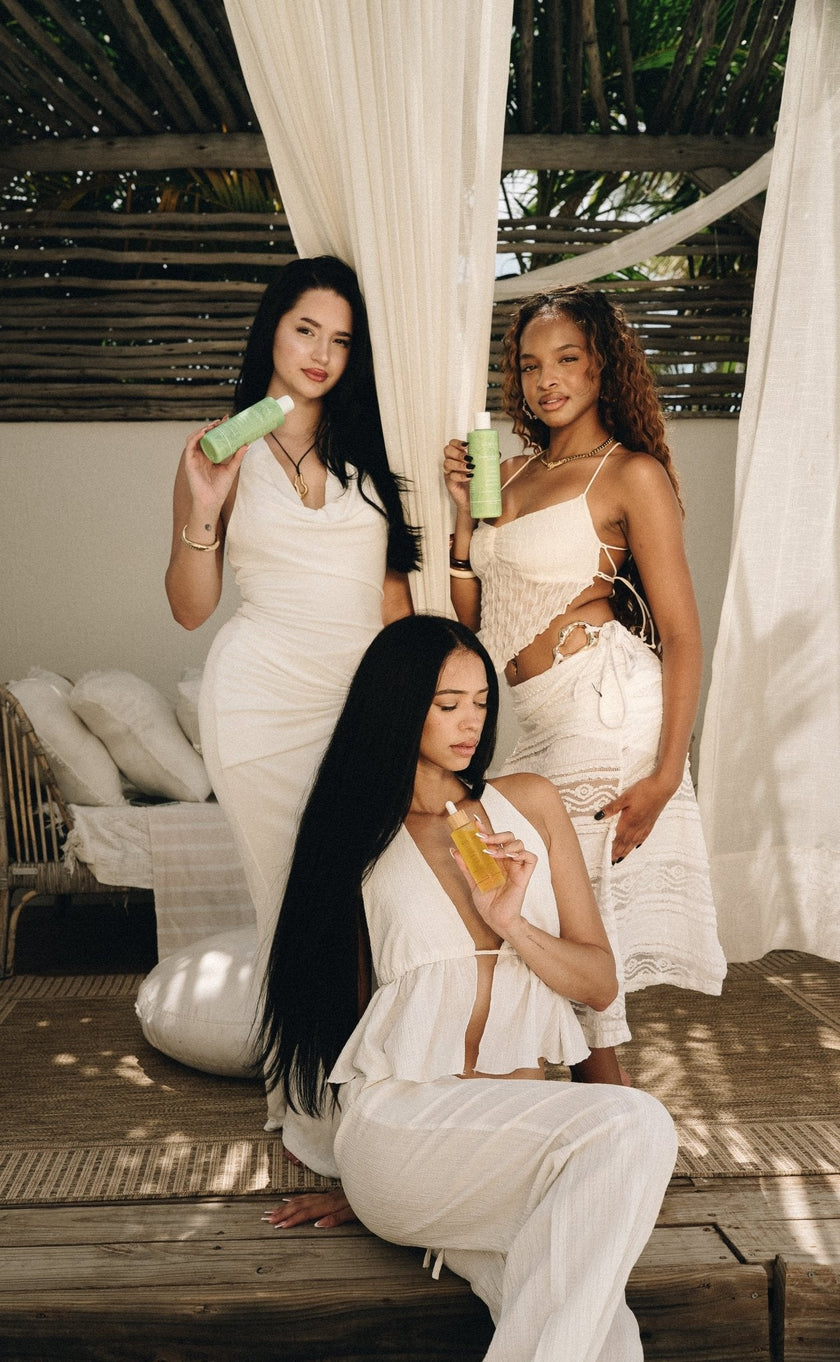
We build the full wash-day routine around being gentle, because gentle is what protects color. The Nourish & Strengthen Shampoo is sulfate-free on purpose, so it cleans without stripping pigment, and the Nourish & Strengthen Conditioner restores the moisture that colored, more-porous hair loses fast.
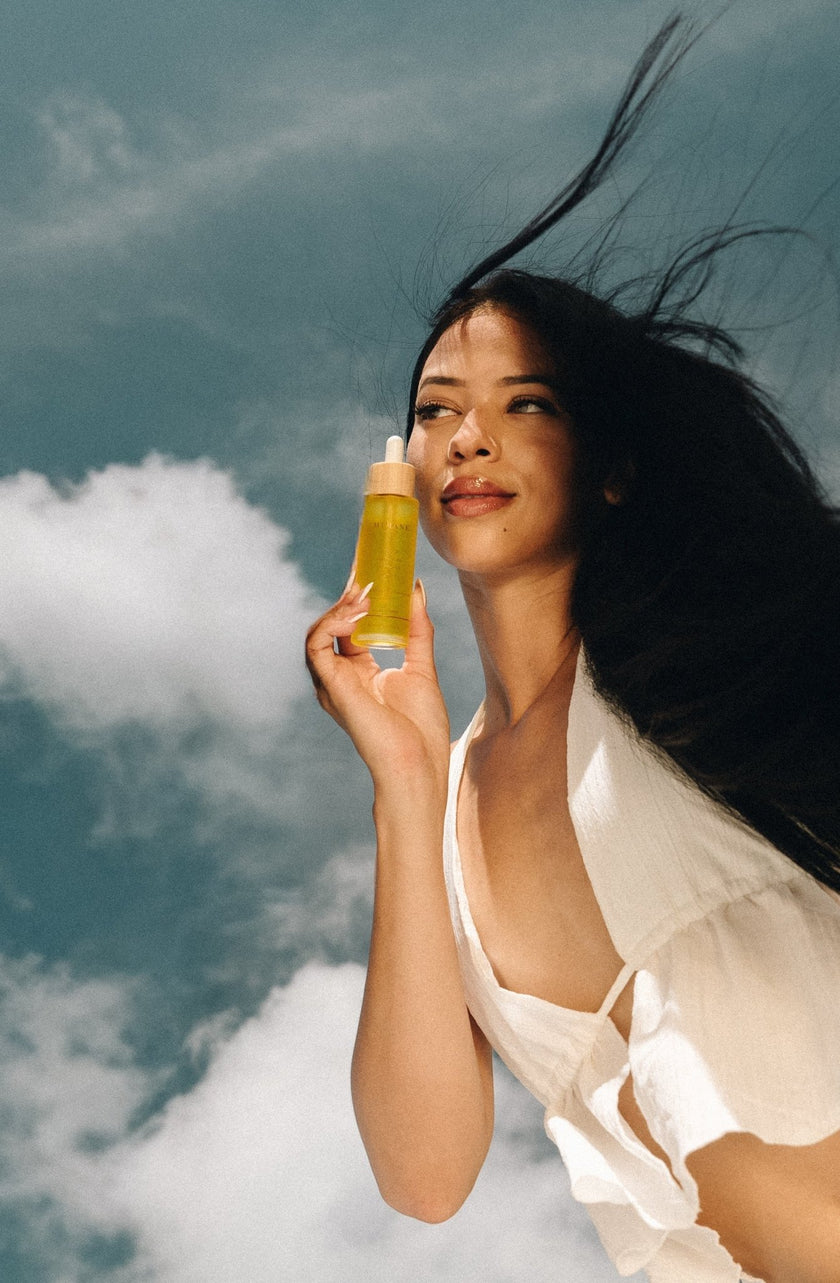
The Growth & Strengthen Hair Oil is the sealing step. We chose jojoba and argan oils for it specifically because they smooth the cuticle and add shine without the heavy, mineral-oil feel that coats colored hair and dulls it. Argan in particular is a long-trusted choice for colored hair, and we cover the why in is argan oil safe for color-treated hair.
Together that's a cleanse-condition-seal routine designed to keep color truer for longer, not just for one wash.
How is caring for color-treated hair different from natural hair?
Colored hair is more porous and more fragile than virgin hair, so it needs gentler cleansing and more consistent moisture. The coloring process lifts the cuticle to deposit pigment, which leaves the strand more open, drier, and quicker to lose both color and moisture.
In practice that means three adjustments: wash less often, cleanse with something sulfate-free, and never skip conditioner or your sealing oil. Virgin hair is more forgiving, but colored hair shows the cost of a harsh routine fast, in fading, dryness, and dullness. Once a week, a mask made for color-treated hair adds back the deeper moisture that porous strands lose fastest.
The upside is that the same gentle habits that protect color also keep hair healthier overall, so you're not choosing between the two.
FAQ
How long should I wait to wash my hair after coloring? Wait at least 48 to 72 hours. The color needs time to set inside the cuticle, and washing too soon rinses out pigment that hasn't fully bonded.
Does dry shampoo help color last longer? Indirectly, yes. Dry shampoo lets you stretch the time between washes, and fewer washes means slower fading. Just cleanse thoroughly on wash day so it doesn't build up.
Can hair oil seal in color? Oil doesn't lock dye in like a sealant, but a lightweight oil smooths the cuticle and adds the shine and moisture that fading strips away, so colored hair looks fresher for longer.
Does hard water fade color? It can. Mineral deposits in hard water build up on the hair and can dull color and shift tone over time. A clarifying wash now and then helps, followed by a good conditioner.
Is heat styling bad for colored hair? High heat opens the cuticle and speeds up fading and dryness. Use the lowest effective temperature, always with a heat protectant, and give your hair heat-free days.
Will sulfate-free shampoo strip my color? No, that's the point of it. Sulfate-free shampoos clean without the aggressive detergents that pull pigment out, so your color stays truer between washes.
The bottom line
Keeping hair color from fading comes down to gentler wash days: wash less, cleanse sulfate-free, rinse cool, condition every time, and seal with a light oil. None of it is complicated, it just has to be consistent.
The easiest place to start is your shampoo. Swapping to the sulfate-free Nourish & Strengthen Shampoo protects your color from the step that fades it the most, or grab the Glow Kit to set up the full cleanse-condition-seal routine at once.