

Most hair oils make you choose: real moisture or a lightweight feel, rarely both. Heavy oils seal water in but leave hair flat and greasy. Light oils feel nice but sit on the surface and fade fast. Squalane is the rare ingredient that does both, because it's nearly identical to an oil your own scalp already makes. This post breaks down what squalane is, what it does for hair, how to use it, and who benefits most.
The short answer
Squalane is a lightweight, ultra-stable moisturizing oil derived from olives or sugarcane. It mirrors squalene, a lipid your scalp produces naturally, so hair absorbs it instead of wearing it like a coating. It seals in moisture, adds slip and shine, and smooths the cuticle without weighing hair down, which makes it one of the few oils that works on fine hair.
What Is Squalane, and How Is It Different From Squalene?
Squalane is the stable, shelf-friendly version of squalene. Squalene (with an "e") is a lipid your body makes on its own; it's a natural part of the sebum your scalp produces to protect and moisturize hair. The problem with raw squalene is that it oxidizes fast, going rancid quickly, which makes it useless in a bottle.
Squalane (with an "a") fixes that. Through a process called hydrogenation, squalene is converted into a saturated, highly stable oil that doesn't oxidize easily and has a long shelf life. The benefits stay; the instability goes.
It's worth knowing where it comes from. Squalane was historically harvested from shark liver, which is both an ethical and sustainability problem. Modern, responsible squalane is plant-derived, pressed from olives or fermented from sugarcane. That sourcing distinction matters if you care what's actually in your products, and it should be the first thing you check on any squalane ingredient list.
Why Does Squalane Absorb Without Making Hair Greasy?
Squalane absorbs cleanly because it matches the oil your scalp already produces. Squalene is a meaningful portion of human sebum, so when you apply squalane, your hair and scalp recognize it and take it in rather than letting it pool on the surface. That's the whole reason it doesn't feel greasy the way heavier oils do.
Research on human skin surface lipids has found that squalene makes up roughly 10 to 12 percent of the sebum our bodies produce, making it one of the most abundant lipids on the skin and scalp (peer-reviewed dermatology research on epidermal surface lipids, via PubMed). That's the science behind why a sebum-mimicking oil behaves so differently from a plant oil that simply coats the strand.
The texture difference is immediate. Heavier oils like coconut or castor sit on top of the hair and need warmth and time to partially penetrate. Squalane is what's called a "dry oil," meaning it absorbs fast and leaves a soft, non-oily finish. You feel moisture and slip, not a film.
What Does Squalane Actually Do for Your Hair?
Squalane delivers four things that matter for most hair types.
Lightweight, lasting moisture. It seals water and softness into the strand without buildup, so hair feels conditioned but never heavy or limp.
Smoother cuticle, more shine. By laying the outer cuticle layer flat, squalane reflects more light and locks moisture in. That's where the shine and the reduced frizz come from.
Slip that protects against breakage. A smoother strand means less friction when you detangle, style, or run a brush through, which means less mechanical breakage over time.
A buffer for the strand. As a stable lipid layer, squalane helps reduce some of the surface stress hair takes from heat styling and day-to-day handling. It isn't a standalone heat protectant, but it's a useful base layer before you reach for one. (More on that in our guide to applying oil before the flat iron without buildup.)
What squalane will not do: change your hair's growth rate or repair damage that's already split. It's a moisture and protection ingredient, not a medical treatment. Honest expectations are part of using it well.
Why Mimane Glow Put Squalane in the Growth & Strengthen Hair Oil
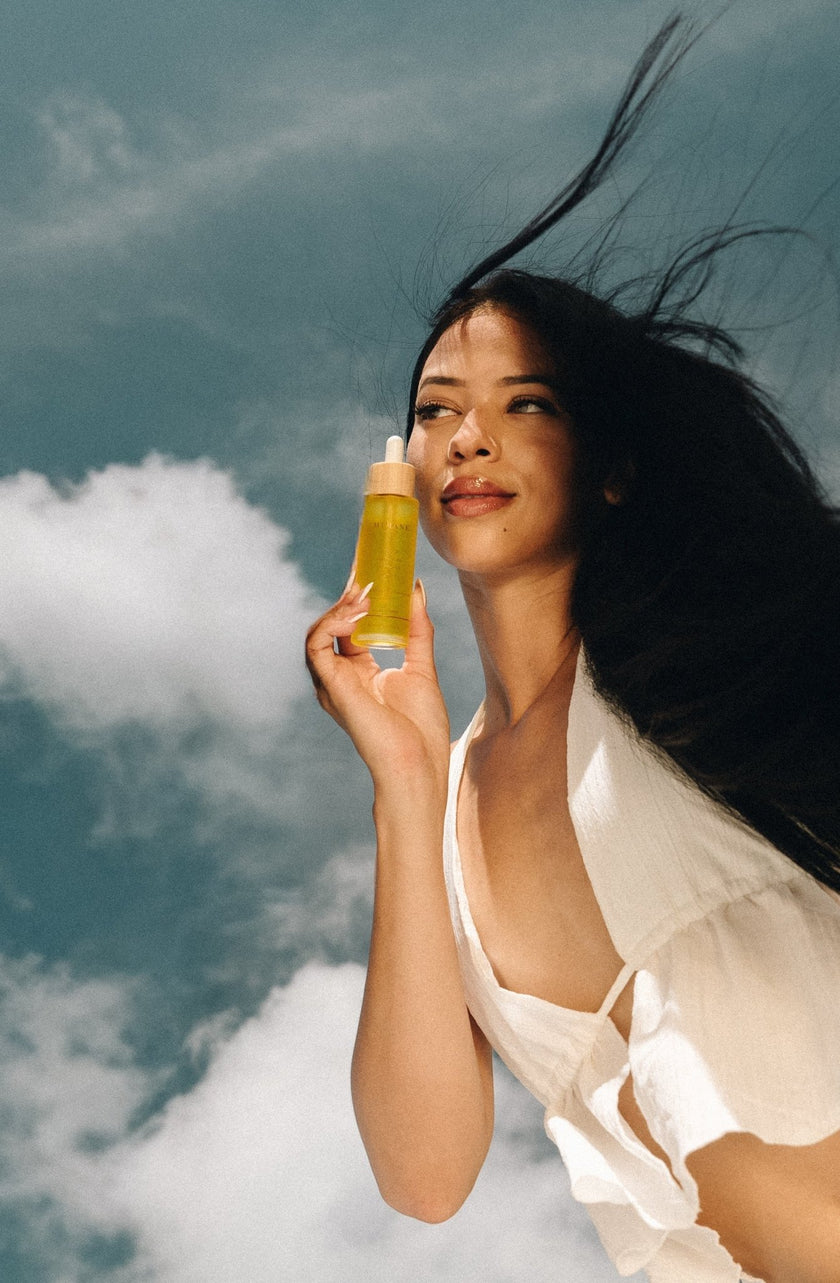
We added squalane to the Growth & Strengthen Hair Oil to solve a specific formulation problem: how to deliver deep moisture in an oil light enough to use often without buildup. Jojoba anchors the formula as a sebum-like carrier, and squalane reinforces that same sebum-mimicking quality while keeping the overall feel light.
This is the difference between a formula that's designed and one that just stacks heavy oils together. Argan, babassu, and pumpkin seed bring their own strengths, but squalane is part of why the oil absorbs clean instead of feeling greasy. It was a deliberate choice for texture and absorption, not a trend ingredient added to a label.
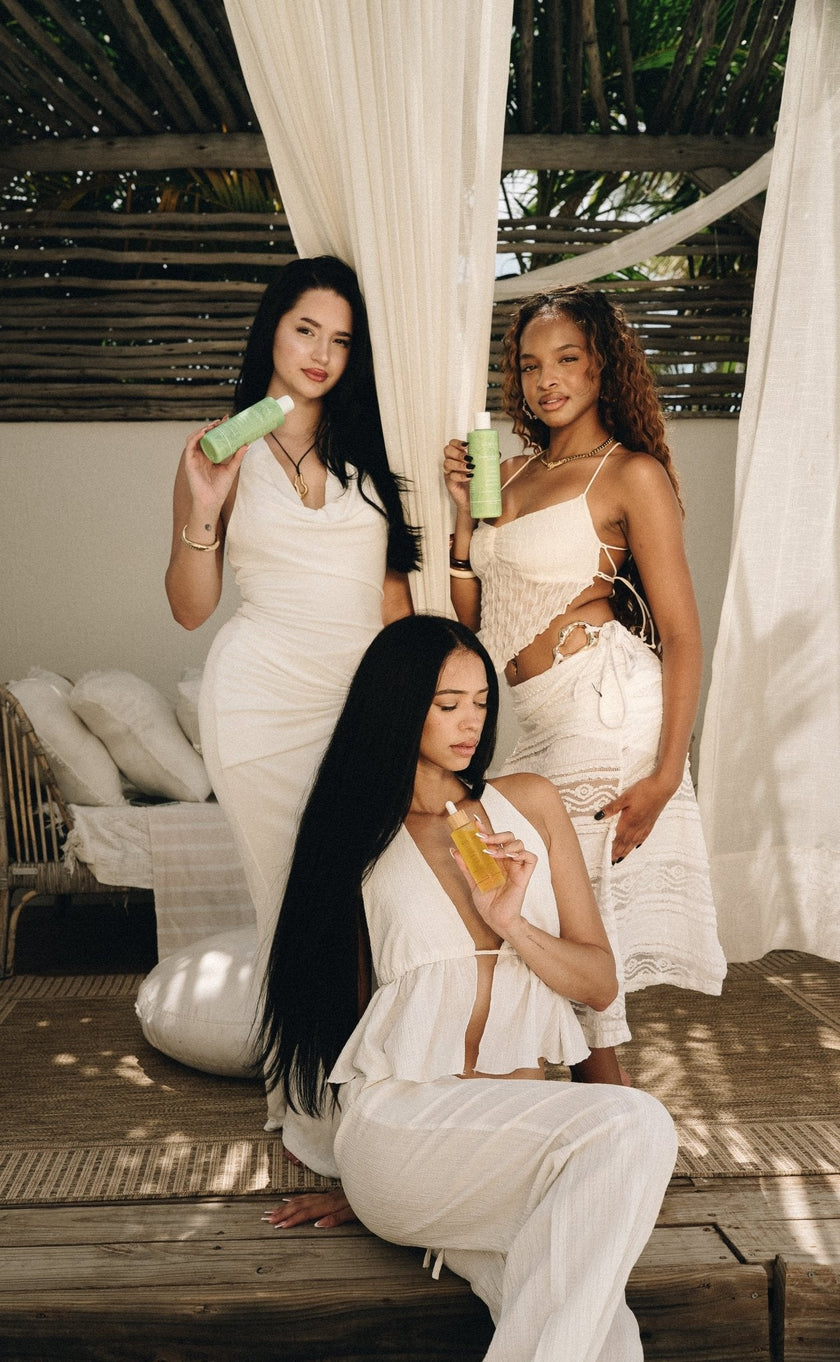
Squalane also appears in our upcoming Hydrate & Strengthen Hair Mask, paired with hemisqualane, where the goal is intense moisture that rinses clean. The throughline across the routine is the same: moisture that hair actually absorbs.
How Do You Use Squalane on Hair?
There's no single right way to use squalane. Three methods cover almost everyone.
-
As a pre-wash treatment. Apply a few pumps of the hair oil from mid-length to ends on dry hair, add a little to the scalp, and let it sit 20 to 30 minutes before washing. The squalane and jojoba absorb in, so you wash out softer, more manageable hair. Full method in our pre-wash oil treatment guide.
-
As a leave-in step on damp hair. After conditioning, work one to two pumps through wet hair before styling. The squalane seals moisture in as hair dries and adds slip for detangling.
-
As a finishing oil on dry hair. One pump pressed lightly over the ends and any frizz. Because squalane is a dry oil, it adds shine and smoothness without the greasy weight a heavier oil would leave.
Start light. Because squalane absorbs so well, you usually need less than you think.
Who Gets the Most Out of Squalane (and Who Needs More)?
Squalane works across every hair type, but it shines brightest on:
- Fine and thin hair that heavier oils flatten. This is squalane's standout use case. See our guide on using the Glow Kit on fine hair without losing volume.
- Low porosity hair that struggles to absorb dense oils. Squalane's light molecular structure gets in where heavier oils sit on top. More on that in our low porosity hair and oil guide.
- Anyone who hates a greasy finish but still wants real moisture.
If your hair is very thick, coarse, or high porosity, squalane is still a great base, but it works best layered. Use it to carry moisture in, then seal with something heavier on the ends. Pairing is the move, not swapping.
FAQ
Is squalane good for all hair types? Yes. It's lightweight enough for fine hair and absorbs well on low porosity hair, while still being a useful moisture base for thick or coarse hair when layered with a heavier sealant.
Will squalane make my hair greasy? No, when used in normal amounts. Squalane is a dry oil that absorbs fast and leaves a soft, non-oily finish. Greasiness usually means too much product, not the wrong product. Start with one to two pumps.
Is squalane vegan and sustainable? The squalane in quality products, including ours, is plant-derived from olives or sugarcane, not shark liver. Always check the source on the label, since both versions exist on the market.
Can I use squalane on my scalp? Yes. Because it mimics your scalp's natural sebum, it's well tolerated and can help a dry or tight scalp feel more balanced. Massage a small amount in as part of a pre-wash treatment.
Squalane vs jojoba oil, which is better for hair? They do similar jobs and work best together. Both mimic sebum, but squalane has a lighter, dry-oil finish while jojoba is slightly more emollient. Our Growth & Strengthen Hair Oil uses both so you get absorption and slip in one step.
How long until I see results from squalane? Softness, shine, and easier detangling show up on the first use. The deeper benefits, like hair holding moisture longer and less breakage from styling, build over a few wash days of consistent use.
The Wrap
Squalane earns its place because it solves the oldest tradeoff in hair care: deep moisture that doesn't weigh hair down. It mirrors what your scalp already makes, absorbs clean, and leaves shine instead of grease. That's exactly why it sits alongside jojoba in the Growth & Strengthen Hair Oil.
If you've been avoiding oils because they leave your hair flat or greasy, squalane is the one to try first. Shop Growth & Strengthen Hair Oil →