


If you have ever stood in the shower holding a jar of hair mask and a bottle of deep conditioner, wondering whether you really need both, you are not alone. The labels sound almost identical, the textures look the same, and most brands do not explain where one ends and the other begins. This post breaks down what actually separates a hair mask from a deep conditioner, when each one earns a place in your routine, and how to pick the right treatment for your hair type and wash day. It is for anyone with dry, tired, or breakage-prone hair who wants to stop guessing.
A deep conditioner is a rich, rinse-out treatment you use most wash days to soften, detangle, and add slip. A hair mask is a more concentrated treatment, usually thicker and left on longer, used less often when hair needs deeper moisture or a strength reset. Same family, different intensity.
What is the difference between a hair mask and a deep conditioner?
The honest answer is that the two overlap more than the marketing suggests, and some products are labeled either way. The most useful way to tell them apart is by intensity and how often you reach for them.
A deep conditioner is a step up from your everyday rinse-out conditioner. It has a higher concentration of conditioning agents and is meant to sit on the hair for a few minutes so it can soften, smooth the cuticle, and make detangling easier. Most people use one weekly or every couple of wash days.
A hair mask is usually the most concentrated treatment in the lineup. It tends to be thicker, is often left on for fifteen to thirty minutes or longer, and is designed for a specific job, either flooding dry hair with moisture or rebuilding strength in hair that feels weak and snappy. Because it is intensive, you reach for it less often, typically when your hair is asking for it rather than on a fixed schedule.
What does a deep conditioner do?
A deep conditioner restores softness, slip, and manageability after cleansing, and it does the bulk of the day-to-day work of keeping hair from feeling rough and tangled. Think of it as the maintenance treatment, not the emergency one.
When you shampoo, the cuticle, which is the outer layer of the hair, lifts slightly and loses some of its natural lubrication. A deep conditioner smooths that cuticle back down, coats the strand so a comb glides through, and helps hair hold onto water instead of drying out stiff. That is why detangling is so much easier on freshly conditioned hair and why breakage from combing drops when you do not skip the step.
For most people, a deep conditioning step every wash day or every other wash day keeps dryness and tangling in check. If you want a fuller breakdown of frequency by hair type, our guide on how often you should deep condition walks through it.
What does a hair mask do?
A hair mask delivers a bigger, more targeted dose of either moisture or strength than a deep conditioner, and it is meant for the wash days when your hair needs real recovery, not just upkeep. It is the treatment you use after heat styling, color, a long stretch of neglect, or a season that left your ends parched.
Masks generally fall into two camps. Moisture masks are rich in humectants and emollients like glycerin, shea butter, and plant oils, and they are for hair that feels dry, brittle, and thirsty. Strength or protein masks use ingredients like hydrolyzed keratin and silk protein to temporarily reinforce the hair shaft, and they are for hair that feels limp, overly stretchy, or snaps easily. Using the wrong one can backfire, which is exactly why knowing your hair matters more than the label on the jar. For a deeper look at that balance, read our breakdown of protein versus moisture.
If you want the full rundown on how masks work and the signs your hair is due for one, we cover it in what a hair mask actually does.
Hair mask vs deep conditioner: which one does your hair need?
Choose a deep conditioner for regular upkeep and a hair mask for targeted recovery. If your hair is generally healthy and you just want it soft and easy to manage after washing, a deep conditioner is your workhorse. If your hair is dry, damaged, or acting differently than usual, a mask is the right call.
Here is a simple way to decide:
- Reach for a deep conditioner when: your hair feels mostly fine and you want to keep it that way, you are detangling after most washes, or you are short on time and just need softness and slip.
- Reach for a hair mask when: your ends feel dry and rough no matter how much conditioner you use, your hair snaps or stretches like a wet noodle, or you have recently colored, bleached, or heat-styled and need to recover.
You do not have to pick one forever. Most routines use a deep conditioner as the steady base and bring in a mask every week or two, or whenever hair asks for it. Matching the treatment to what your hair is doing that week beats following a rigid rule.
Can you use both a hair mask and a deep conditioner?
Yes, and most healthy routines do use both, just not in the same wash. They serve different jobs, so alternating them gives your hair steady maintenance plus occasional deep recovery without overloading it.
The one thing to avoid is stacking a rich mask and a heavy deep conditioner in a single session, which can leave fine or low-porosity hair limp and coated. A cleaner rhythm looks like this: deep condition on your regular wash days, and swap in a mask for one of those washes every week or two when your hair needs more. On the weeks you use a mask, you can usually skip the separate deep conditioning step, since the mask already covers it.
Whatever you use, the treatment works best on clean, damp hair after a gentle cleanse, so it is not fighting through buildup. A sulfate-free conditioner as your everyday base keeps the cuticle happy between deeper treatments.
Does oiling before you wash actually protect your hair?
Applying oil to your hair before you shampoo can measurably reduce the protein your hair loses during washing, which is one reason a pre-wash oil step pairs so well with deep treatments. It is a small habit that protects the strand before the treatment even starts.
A frequently cited study published in the Journal of Cosmetic Science in 2003 tested coconut, sunflower, and mineral oil on hair and found that coconut oil, which penetrates into the shaft rather than just coating it, reduced protein loss both before and after washing, while mineral oil did not (Rele and Mohile, 2003). The takeaway is not about one specific oil. It is that penetrating oils applied before a wash help hair hold onto its protein and moisture through the shower, so it arrives at your conditioning step in better shape.
That principle is part of why a light oil before wash day, then a conditioner or mask after, is such a reliable combination for dry and fragile hair.
How Mimane Glow approaches deep treatments
Our take is that a well-built conditioner should carry most of the weekly workload, so we packed the Nourish & Strengthen Conditioner with more than a basic rinse-out formula. It blends shea butter and plant oils for moisture with hydrolyzed keratin and hydrolyzed silk protein for a light strength boost, so it softens and detangles on a normal wash day and can double as a short deep-conditioning step when you leave it on a few minutes longer.
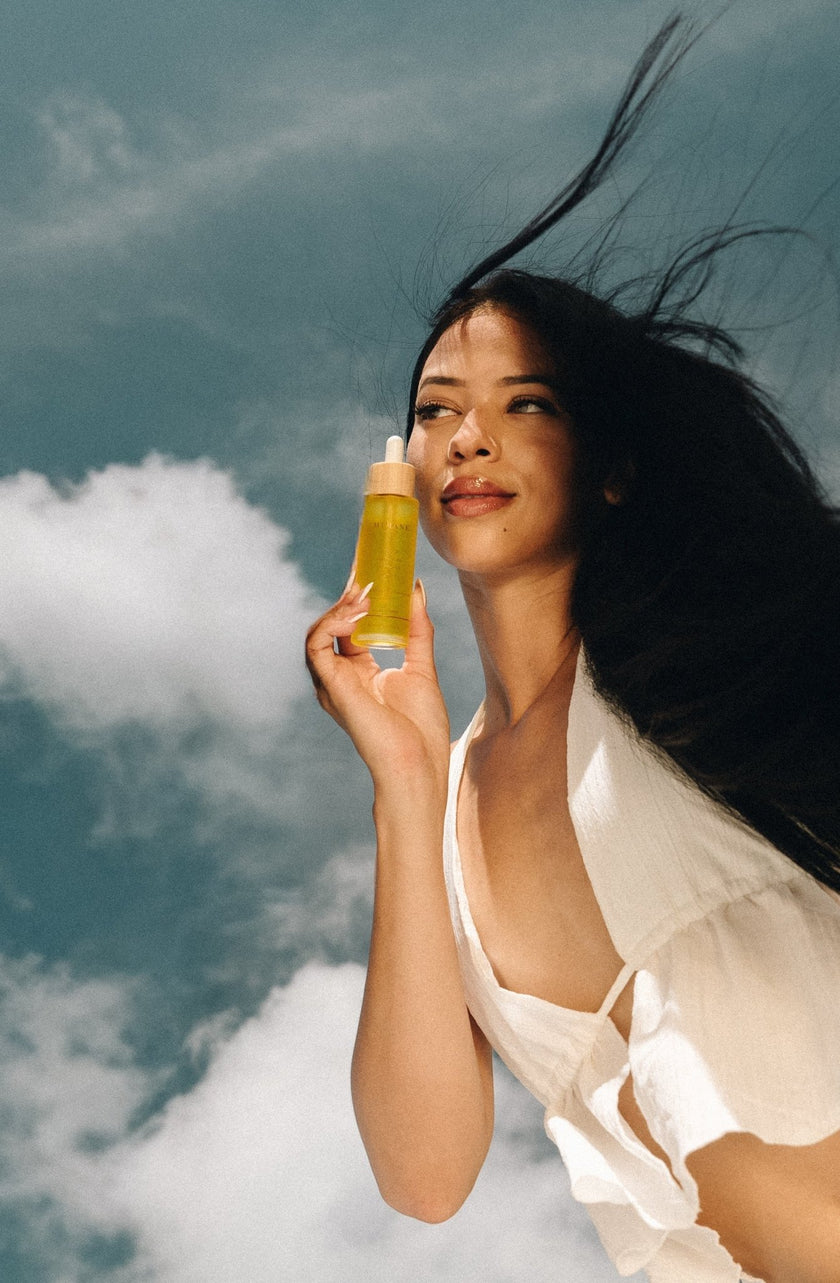
We chose babassu oil across our core formulas on purpose. Babassu is rich in lauric acid, the same fatty acid that lets penetrating oils reduce protein loss during washing, and it does that while staying light enough not to weigh hair down. It is why babassu shows up in the conditioner, the shampoo, and the Growth & Strengthen Hair Oil, which is what we reach for as the pre-wash step described above.
We make a dedicated deep treatment too. Our Hydrate & Strengthen Hair Mask is built for the wash days when your hair wants more than a conditioner can give: once a week, 5 to 10 minutes after shampoo, in place of your conditioner. On the other wash days, the conditioner plus a pre-wash oil keeps lengths soft between treatments.
Frequently asked questions
Can I use a hair mask and a deep conditioner in the same week?
Yes. A common rhythm is to deep condition on your regular wash days and use a mask for one of those washes when hair needs more. Just avoid layering both in a single wash, which can leave hair limp.
How long should I leave a hair mask on?
Most masks work in fifteen to thirty minutes on damp hair. Leaving one on much longer rarely adds benefit, and with protein-heavy masks, overdoing it can make hair feel stiff, so follow the jar and do not sleep in a protein mask by default.
Is a hair mask safe for color-treated hair?
Yes, and it is often helpful, since color-treated hair tends to run dry. Look for sulfate-free, silicone-free treatments so you are adding moisture without stripping or coating. Our current core routine is formulated to be color-treated safe.
Does a hair mask replace my regular conditioner?
On the day you use a mask, it usually stands in for your deep conditioning step. It does not replace your everyday rinse-out conditioner long term, since that lighter step is what keeps hair manageable between deeper treatments.
Do fine or low-porosity hair types need a hair mask?
Sometimes, but use them sparingly and rinse thoroughly, since rich masks can weigh fine or low-porosity hair down. A lighter deep conditioner is often the better everyday choice, with a mask reserved for when hair genuinely feels dry.
The bottom line
A deep conditioner keeps your hair soft and manageable week to week, and a hair mask steps in when your hair needs deeper moisture or a strength reset. Most people are best served by using a good conditioner as the base and adding a mask when their hair asks for more, rather than choosing one over the other. If you want a simple place to start, the Glow Kit pairs the pre-wash oil, sulfate-free shampoo, and the deep-conditioning-ready conditioner in one routine.




?)