

If your hair feels dry no matter how much conditioner you pile on, or soft but strangely weak and snappy, you are probably dealing with a protein vs moisture issue. Both keep hair healthy, and your strands need them in balance. Too much of one without the other is what leaves hair either brittle or limp. This post breaks down how to tell which one your hair is actually asking for, the signs to watch, and how to rebalance it on a normal wash day. It works for most hair types, straight through coily.
Protein gives hair its structure and strength. Moisture gives it softness and flexibility. Hair that snaps easily, feels straw-like, or looks dull usually needs moisture. Hair that feels mushy, limp, or overly soft, and stretches a long way before breaking, usually needs protein. Healthy hair needs both, kept in balance.
What is the difference between protein and moisture for hair?
Protein is the material your hair is built from. Moisture is the water held inside the strand that keeps it soft and able to bend without snapping. They do two different jobs, and one cannot replace the other.
Each strand is made almost entirely of a protein called keratin. Roughly 90% of a hair fiber's dry weight is keratin, according to a peer-reviewed overview of hair structure and cosmetics in the International Journal of Trichology (opens in a new tab). That keratin is the internal scaffolding that gives hair its tensile strength. When that scaffolding is worn down by heat, color, and friction, hair loses its ability to hold together and starts to break.
Moisture is the other half. Water moves in and out of the hair shaft depending on humidity, and it is what makes hair pliable instead of crunchy. Oils and lipids on the surface slow that water from escaping, which is why sealing damp hair matters. Protein without moisture leaves hair stiff. Moisture without protein leaves hair with nothing to hold its shape.
How do you know if your hair needs protein or moisture?
The fastest read is how your hair behaves when it is wet and how it feels when it is dry. Dryness signs point to a moisture need. Softness and stretch signs point to a protein need.
Your hair likely needs moisture if it:
- Feels dry, rough, or straw-like even after conditioning
- Looks dull and frizzes easily
- Tangles and is hard to detangle
- Snaps quickly with very little stretch
- Drinks up product and still feels thirsty
Your hair likely needs protein if it:
- Feels mushy, gummy, or overly soft, especially when wet
- Looks limp and stringy with no body
- Stretches a long way and then snaps instead of bouncing back
- Has lost its usual texture after heavy bleaching or heat use
- Will not hold a style
There is a simple at-home check called the stretch test. Take one clean, wet strand and gently pull it. If it stretches a lot and stays limp or breaks, that is a sign it needs protein. If it barely stretches and snaps right away, that is a sign it needs moisture. Hair in good balance stretches a little, then springs back.
Why does the protein-moisture balance matter so much?
Balance matters because too much of either one causes its own problem. This is the part most people miss when they keep reaching for the same fix and their hair keeps getting worse.
Load up on protein with no moisture and hair goes stiff, hard, and brittle. That is often called protein overload, and it feels like straw that snaps at the slightest tug. The instinct is to add more protein because the hair feels weak, but more protein is the opposite of what it needs.
Go all-in on moisture with no protein and hair goes soft to the point of being weak. It feels nice for a day, then it will not hold a curl or a blow-dry and stretches like gum in the shower. The fix there is not another deep conditioner, it is a little structure. If you are seeing a lot of mid-strand snapping, our guide on why hair breaks off walks through how to tell overload apart from ordinary damage.
How do you add moisture back to your hair?
Moisture goes in with water-based steps and gets locked in with oil. The order is what makes it stick. Adding moisture is less about one miracle product and more about a wash day that hydrates and then seals.
- Cleanse gently. A harsh, stripping shampoo undoes the whole effort. A sulfate-free wash like the Nourish & Strengthen Shampoo cleans without pulling all the water and natural oils out of the strand.
- Condition every wash. Follow with the Nourish & Strengthen Conditioner, which carries glycerin and panthenol to draw water in, plus shea butter and argan to soften. Work it through the mid-lengths and ends and give it a couple of minutes.
- Deep condition on a schedule. Once a week or so, let a richer treatment sit longer. If you are not sure how often, our breakdown on how often to deep condition by hair type gives realistic numbers instead of guesswork.
- Seal while damp. Smooth a few drops of the Growth & Strengthen Hair Oil over damp lengths to slow water loss. Jojoba and squalane sit close to the strand without the greasy weight of heavier oils.
If your hair still feels dry the day after washing, the issue is usually the routine, not the products. Our post on why hair is still dry after washing covers the small adjustments that fix it.
How do you add protein back to your hair?
Protein goes back in through hydrolyzed proteins, which are proteins broken down small enough to cling to the hair shaft and temporarily reinforce weak spots. The key word is temporary, and a little goes a long way.
Hydrolyzed keratin and hydrolyzed silk protein are the two most useful for everyday hair. They fill in the rough, worn areas along a damaged strand so it holds together better and feels less mushy. The peer-reviewed overview above notes that these smaller protein fragments are used in conditioners precisely because they can adhere to and penetrate the hair surface in a way whole proteins cannot.
Here is the important part: more is not better. Protein used too often, especially on hair that is not actually protein-starved, is what tips you into stiff and brittle. For most people, protein once a week to once every couple of weeks is plenty, and always paired with moisture afterward. Bleached and heavily heat-styled hair tends to need it more often, while healthy virgin hair may barely need it at all.
How Mimane Glow balances protein and moisture in one routine
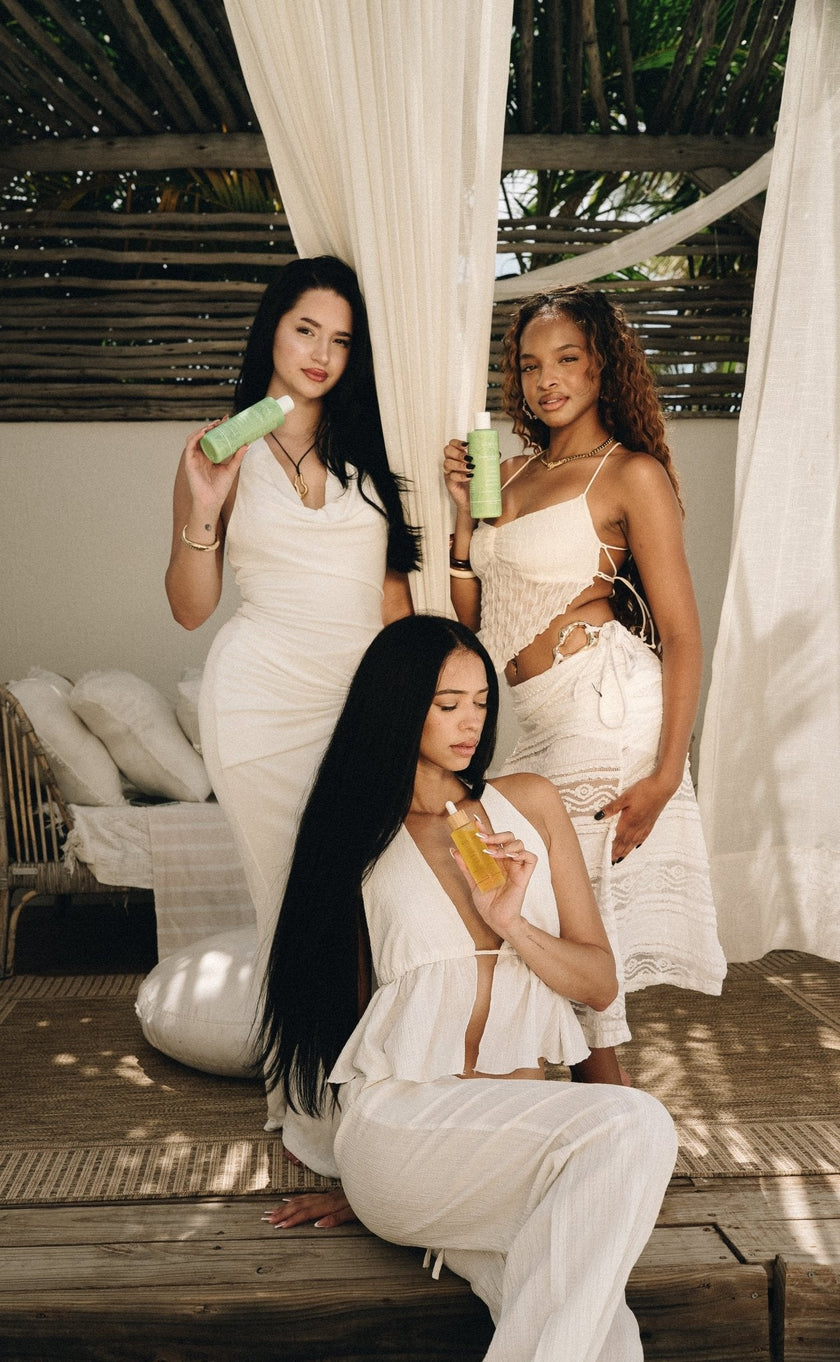
At Mimane Glow we build the balance into the products so you are not stuck playing chemist every wash day. The clearest example is the conditioner, which carries both sides on purpose.
The Nourish & Strengthen Conditioner pairs hydrolyzed keratin and hydrolyzed silk protein for structure with shea butter, argan oil, pumpkin seed oil, glycerin, and panthenol for softness and water. This is why we chose to blend both rather than lean all the way into protein or all the way into slip. A conditioner that is pure moisture leaves fragile hair with no support, and a pure protein one leaves it stiff.
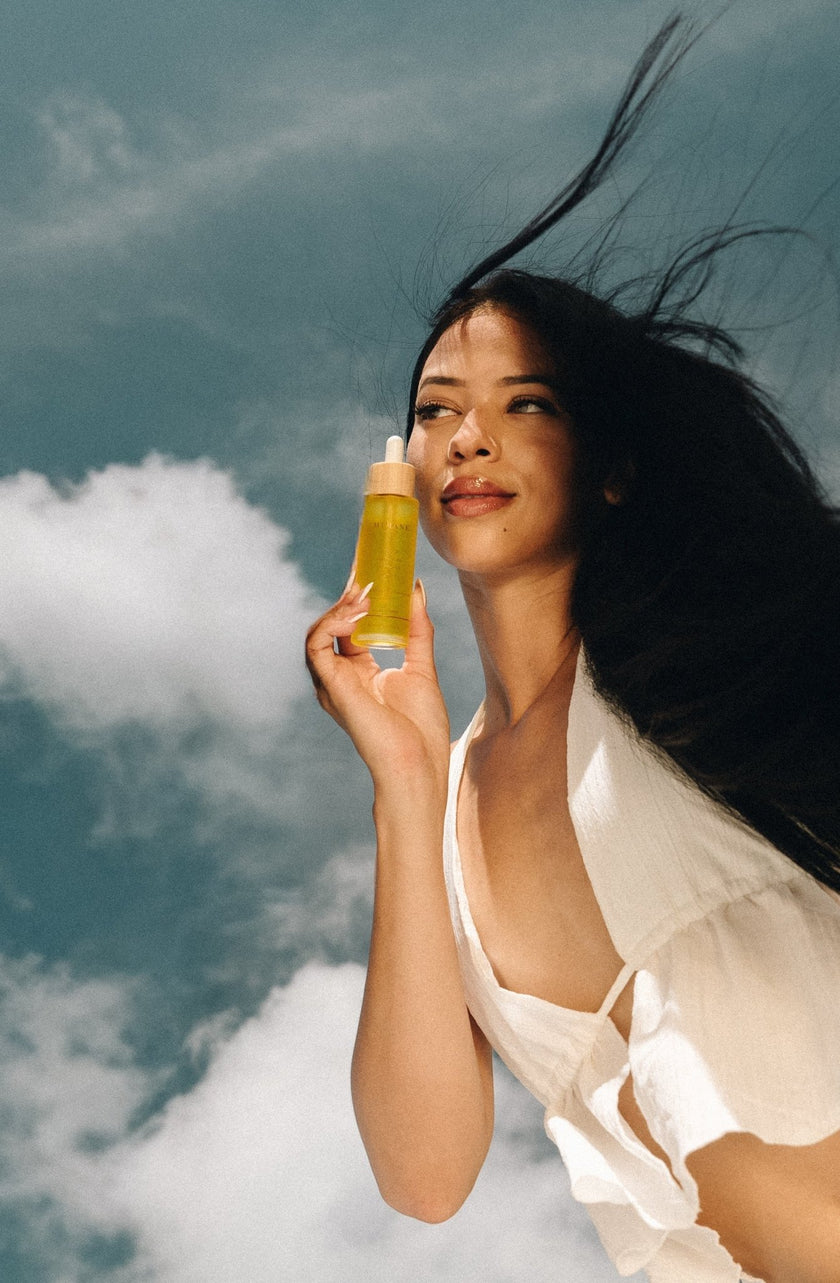
The hair oil plays the sealing role. A light layer of the Growth & Strengthen Hair Oil over damp hair holds the water in after you condition, so the moisture side of the balance actually lasts past wash day. On camera, Xilenia keeps it simple: shampoo, condition, then a few drops of oil on the ends while her hair is still wet.
For the weeks when hair is clearly leaning dry, a richer weekly treatment helps. Our guide to what a hair mask actually does explains where that fits, and our Hydrate & Strengthen Hair Mask sits exactly in that moisture-forward slot, once a week in place of your conditioner.
Protein vs moisture: frequently asked questions
How often should I do a protein treatment?
For most hair, once a week to once every two weeks is enough, and heavily bleached or heat-damaged hair may want it a little more often. If your hair starts feeling stiff or straw-like, that is your sign to back off and add moisture.
Can I use protein and moisture on the same wash day?
Yes, and that is usually the ideal. Apply the protein step first, then always follow with a moisturizing conditioner or oil so the strand stays flexible instead of stiff.
Does everyone need protein treatments?
No. Healthy hair that has not been colored, bleached, or heat-styled much often gets all the protein it needs from a balanced conditioner. Protein treatments matter most for damaged, chemically treated, or fragile hair.
How do I know if I have protein overload?
Protein overload feels stiff, hard, and straw-like, and the hair snaps with very little stretch. The fix is to pause all protein and focus on moisture for a few wash days until the softness comes back.
Can color-treated or bleached hair handle protein?
Yes, and it often benefits, since chemical processing wears down the protein structure. Use it in moderation and pair it with plenty of moisture, because processed hair swings into overload faster than virgin hair.
Do I need a separate protein product if my conditioner already has protein?
Usually not for daily upkeep. A conditioner with hydrolyzed keratin or silk protein covers most people's needs, and a dedicated protein treatment is really for repairing noticeable damage.
The takeaway
Protein vs moisture is not a contest, it is a balance, and the goal is to read what your hair is telling you and answer it. When strands feel dry and snap, lead with moisture. When they feel soft and weak and stretch too far, add a little protein, then seal it with moisture again. Keep the two working together and hair stays strong, soft, and able to hold its shape.
If you want the balance handled in one routine, the Glow Kit pairs the shampoo, conditioner, and hair oil so protein and moisture stay in step from cleanse to seal.