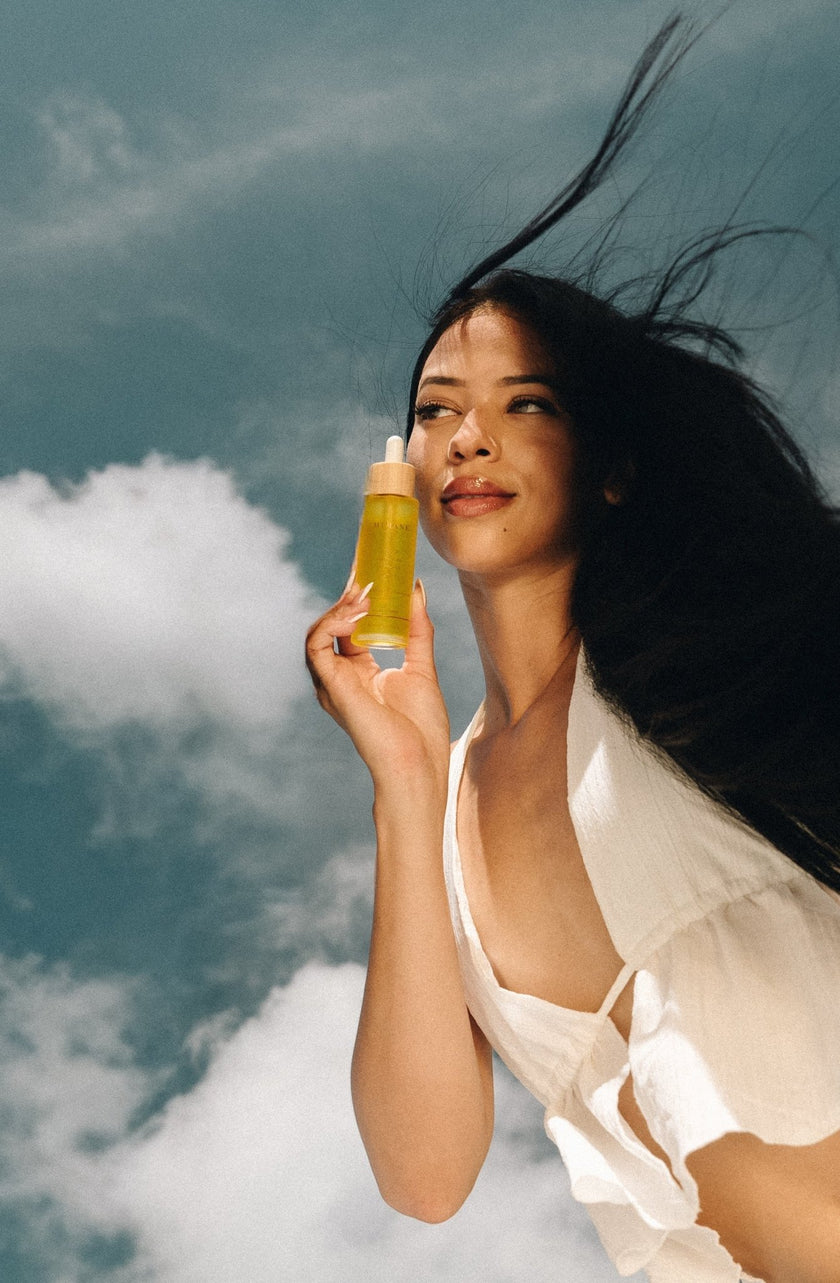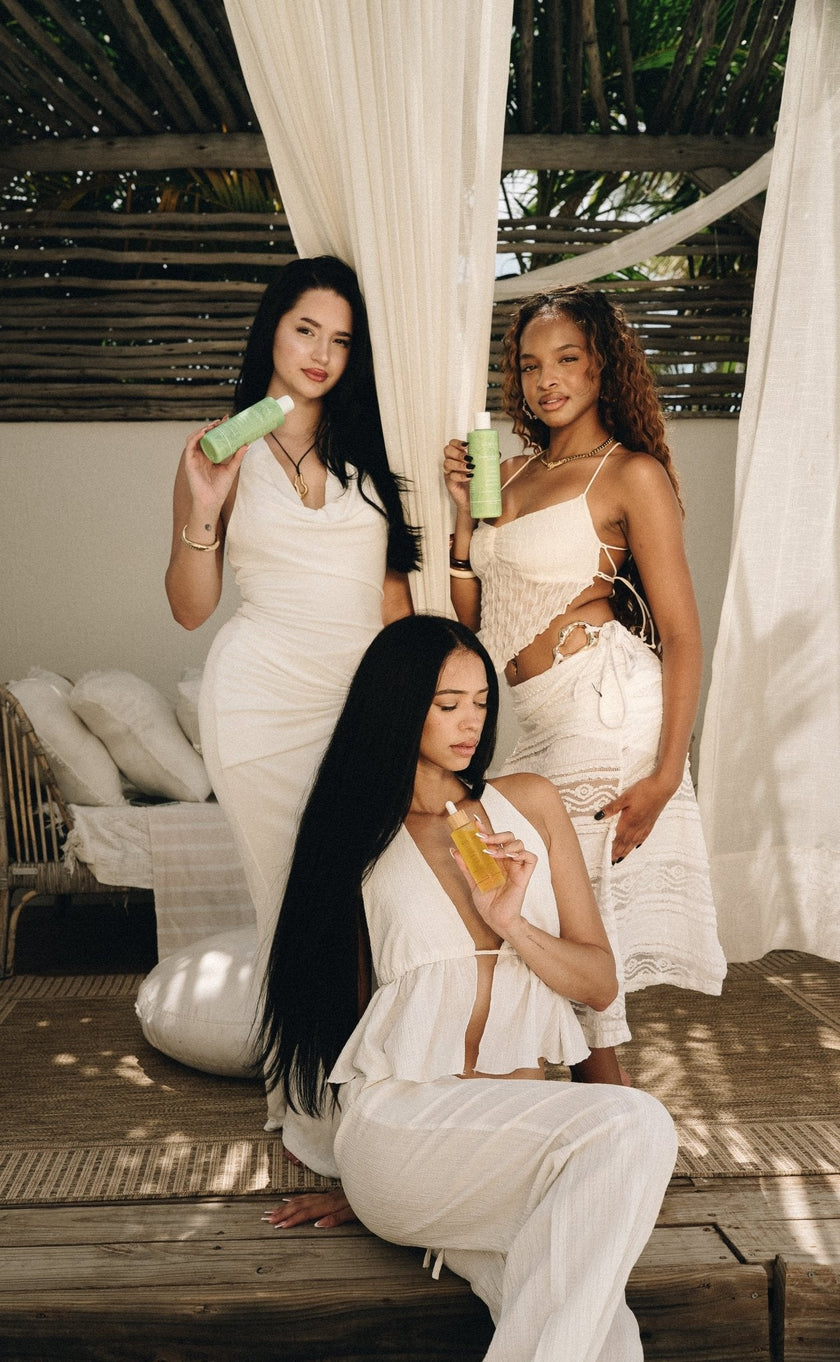


You just colored your hair, and now you are not sure if reaching for your oil will help it or wash all that money down the drain. It is a fair worry. Coloring leaves the cuticle a little more open and the strand a little more fragile, so what you do next matters. This post covers when it is safe to oil color-treated hair, which oils protect color instead of stripping it, and exactly how to apply oil after dyeing without dulling the shade. It is for anyone with fresh box color, salon highlights, or balayage who wants softer, stronger hair that holds its tone.
Yes, you can oil your hair after dying it, and in most cases you should. Wait about 48 to 72 hours after coloring so the cuticle can settle, then work a lightweight oil like jojoba or argan through damp mid-lengths and ends. Avoid heavy mineral oil, keep it off the roots on fresh color, and skip oiling right before you rinse out a fresh dye.
Can you oil your hair after dying it?
Yes. Oiling color-treated hair is not only safe, it helps replace some of what the coloring process takes out. Permanent and semi-permanent dye works by lifting the cuticle to deposit pigment, which leaves strands drier and more porous than they were before. A conditioning oil smooths that raised cuticle back down, adds slip, and helps your hair tangle and snap less.
The two things that decide whether oil helps or hurts are timing and oil choice. Oil applied too soon, or the wrong kind of oil, can interfere with how the color sets in the first few days. Get those two right and oil becomes one of the best things you can do for freshly colored hair.
How long should you wait to oil your hair after coloring?
Wait about 48 to 72 hours after coloring before your first oil application. Those first two to three days are when the cuticle is still closing and the pigment is still locking into the cortex. Adding oil during that window can sit between the dye and the strand and make the color set unevenly.
After 72 hours the color has stabilized and your hair is ready for moisture. That also lines up with when most colorists tell you to do your first wash, so folding oil into that first post-color wash day is perfect timing. If your hair feels straw-dry sooner than that, you can put a single drop on the very ends only, staying well away from the roots and the freshly deposited color.
Will oiling your hair fade the color?
On its own, a clean conditioning oil does not fade hair color. What actually fades color is heat, sulfates, hard water, UV exposure, and over-washing. The idea that oil strips dye comes mostly from mineral oil and from oiling at the wrong time, not from plant oils used correctly.
The right oil does the opposite. By smoothing the cuticle and reducing how much your hair swells and contracts with every wash, oil helps the cortex hold onto pigment for longer. We broke down which oils help and which to skip in Does Hair Oil Fade Color? The Honest Answer by Oil Type, and the short version is that lightweight plant oils are color-friendly while heavy mineral oil is the one to avoid.
How do you oil color-treated hair the right way?
Apply a small amount of lightweight oil to damp mid-lengths and ends, focus on the most damaged sections, and keep product off the scalp unless you are doing a dedicated scalp treatment. Here is the step-by-step version:
- Start on damp, not soaking, hair. Towel-dry until your hair is no longer dripping. Damp strands let oil spread evenly and seal in the water you just added.
- Warm two to three drops between your palms. Fewer than you think. You can always add more.
- Work it through your mid-lengths and ends first. These are the oldest, most porous, most faded parts of your hair, so they need it most.
- Smooth whatever is left over the surface. A light pass over the top tames flyaways and adds shine without weight.
- Skip the roots on fresh color. For the first week, keep oil off your scalp and root area so nothing interferes with the new tone.
For a deeper treatment, you can also oil before you shampoo. A pre-wash oiling coats the strand so the wash itself is gentler on color. We walk through that timing in Hair Oiling 101: Pre-Wash vs Overnight, and it pairs well with a sulfate-free wash. Once your color has settled, a gentle hot oil treatment for colored hair is another way to get that deeper conditioning.
Which oils are safe for freshly colored hair?
Lightweight plant oils that absorb into the strand are the safest bet for color-treated hair: jojoba, argan, squalane, and pumpkin seed oil all condition without coating the hair in a heavy film. The one to be cautious with is mineral oil, which sits on top of the strand, can trap buildup, and gives nothing back to the hair.
Coconut oil is a middle case. It penetrates well, but it can be heavy and on some shades it can slightly shift very fresh color, so use it sparingly and not in the first week. For most people a balanced lightweight oil is the easiest no-fuss choice. If you want the full breakdown of what to look for on a label, Best Hair Oil for Color-Treated Hair covers it.
There is real science behind why oil choice matters. In a study published in the Journal of Cosmetic Science, researchers tested coconut, sunflower, and mineral oils on hair and measured protein loss. Coconut oil, which penetrates the shaft thanks to its lauric acid, reduced protein loss for both undamaged and damaged hair, while mineral oil did not (Rele and Mohile, 2003). The takeaway for colored hair: oils that actually absorb into the strand protect it, and oils that just coat the surface do not.
Why Mimane Glow built the Growth & Strengthen Hair Oil to be color-safe
We formulated the Growth & Strengthen Hair Oil around jojoba and pumpkin seed oil specifically because they condition color-treated hair without weighing it down or stripping tone. Jojoba is technically a wax ester, which means it closely mirrors the scalp's own sebum and absorbs instead of sitting on top of the strand. That is why we chose it as the base, not just because it is a popular ingredient.
There is no mineral oil and no harsh solvents in the formula, which are the two things most likely to dull fresh color. The result is an oil light enough to use on highlights and balayage without the greasy weigh-down, and conditioning enough to smooth the porous, faded ends that color leaves behind. If you want to see exactly how it fits into a colored-hair wash day, we mapped it out in Color-Treated Hair Routine: How to Use Growth & Strengthen Hair Oil Without Fading Color.
What mistakes should you avoid when oiling after dyeing?
The most common mistakes are oiling too soon, using too much, and reaching for a heavy oil. Each one is an easy fix:
- Oiling within 48 hours. Give the color time to set first.
- Drowning your hair. Two to three drops on damp ends beats a palmful every time. Excess oil just attracts dirt and can leave colored hair looking flat.
- Using a heavy or mineral-based oil all over. Save the richest oils for the ends, and keep a lightweight oil for everyday.
- Skipping a color-safe wash. Oil works best alongside a gentle, sulfate-free cleanser, since stripping shampoos undo the protection. Our routine for that lives in How to Keep Hair Color From Fading.
Frequently asked questions
Can I oil my hair the same day I dye it?
It is better to wait at least 48 hours. The cuticle is still closing right after coloring, and oil applied too soon can make the color set unevenly. If your ends feel dry, apply a single drop to the very tips only.
Does oiling help color last longer?
Indirectly, yes. By smoothing the cuticle and cutting down how much your hair swells during washing, a conditioning oil helps the cortex hold pigment, so color can look richer for longer. It will not change the dye itself.
Can I use hair oil on highlights and balayage?
Yes, and a lightweight oil is ideal here. Highlighted and lifted sections are more porous and drier, so they soak up the extra conditioning. Apply to the mid-lengths and ends, and use a small amount so fine, lifted hair does not look weighed down.
Should I oil my scalp after coloring?
Wait about a week before doing a scalp oiling on freshly colored hair, and keep it gentle. The scalp can be sensitive right after a color service. Once it has settled, a light scalp massage with oil is fine.
Will coconut oil strip my hair dye?
Coconut oil will not strip properly set dye, but it is heavy and can slightly shift very fresh color on some shades. Skip it the first week, then use it sparingly as an occasional deep treatment rather than an everyday oil.
How often should I oil color-treated hair?
For most people, once or twice a week is plenty: a small amount on damp ends after washing, plus an optional pre-wash treatment. Adjust to how dry your hair feels, and use less on fine or highlighted hair.
The bottom line
Coloring your hair does not mean giving up oil. It means being a little more intentional about when and how you use it. Wait a couple of days, reach for a lightweight oil that absorbs instead of coats, and keep it on your mid-lengths and ends. Do that and oiling your hair after dying it becomes one of the simplest ways to keep colored hair soft, smooth, and holding its tone.
If you just colored and want one easy upgrade to your routine, the Glow Kit pairs the sulfate-free wash with the Growth & Strengthen Hair Oil that keeps color soft and smooth.