

If you color your hair, almost every product you reach for comes with the same quiet worry: is this going to fade what I just paid for? Jojoba oil keeps showing up in color-safe routines, and for good reason. This post covers whether jojoba oil is safe for color-treated hair, why it behaves differently from heavier oils, and exactly how to work it into your wash day. It is written for anyone with dyed, highlighted, or balayage hair who wants moisture and shine without watching their color rinse down the drain.
Yes, jojoba oil is safe for color-treated hair. It is a gentle, sulfate-free oil that coats and conditions the strand without the harsh solvents that strip dye. Because its structure is close to the sebum your scalp already makes, it smooths the cuticle, adds shine, and helps lock moisture in between washes without disturbing the color you paid for.
Is jojoba oil safe for color-treated hair?
Yes. Jojoba oil is one of the gentler oils you can put on color-treated hair. It is not a clarifying agent, it has no sulfates, and it does not lift the cuticle aggressively the way a deep-cleansing wash does, so it has no real mechanism for pulling dye out of the strand.
Color fades for two main reasons: stripping surfactants that wash pigment out, and a cuticle that stays lifted and lets dye molecules escape over time. Jojoba works against both. It sits along the outside of the hair, fills in the rough spots on the cuticle, and adds a light seal that helps your color hold its tone for longer between washes. For a fuller look at what keeps dye in the hair, see our guide on how to keep hair color from fading.
Why doesn't jojoba oil fade hair color?
Jojoba oil does not fade color because it conditions like your own scalp oil rather than acting as a solvent. It is technically a liquid wax, not a typical triglyceride oil, so it lays along the cuticle and smooths it instead of forcing its way in and swelling the strand.
This is where the structure matters. A 2013 dermatology review in the Italian Journal of Dermatology and Venereology notes that jojoba is made up of wax esters that closely resemble the wax esters in human sebum, which is itself roughly 25 percent wax esters (Pazyar et al., 2013). In plain terms, jojoba behaves a lot like the oil your scalp produces on its own. That similarity is why it conditions and seals without the harshness that pulls pigment out of color-treated hair.
The light seal helps in one more way. A smoothed, sealed cuticle gives strands a bit of a buffer against the everyday friction and heat styling that speed fading along, so your color tends to look fresher for longer between salon visits.
What does jojoba oil actually do for dyed hair?
On dyed hair, jojoba oil works on the surface: it manages how your hair looks, feels, and holds moisture. It does not deposit color, re-dye, or repair the chemical change from coloring. What it does is make color-treated hair easier to live with day to day.
Here is what most people notice:
- More moisture retention between wash days, since the light seal slows how fast water leaves the strand.
- More shine, because a smoother cuticle reflects light more evenly.
- Easier detangling and slip, so you snag and pull less when you comb.
- Less breakage from friction and dryness, which is exactly what fragile colored ends need.
- A calmer scalp and softer frizz at the surface.
What does working look like in practice? The shine and slip show up the first time you use it. The bigger payoff, less dryness and fewer dry, snapping ends, builds over a few wash days as your hair holds onto moisture more consistently. Give it two or three washes before you judge it.
Worth saying plainly: jojoba oil is a moisture and shine tool, not a treatment that changes your tone or fixes damage. If your color looks dull a few weeks in, jojoba helps with the dryness and the lack of shine, not the pigment itself. If you are weighing it against heavier options, our comparison on whether coconut oil is safe for color-treated hair is a useful read.
How do you use jojoba oil on color-treated hair?
The simplest way to use jojoba oil on color-treated hair is as a pre-wash treatment and as a light finishing oil. A little goes a long way, especially on fine or recently colored hair that weighs down fast.
As a pre-wash treatment
Warm two to four pumps between your palms and work it through the mid-lengths and ends on dry hair, then add a small amount to the scalp if it feels tight. Leave it on for 20 to 30 minutes before you shampoo. This gives the strand a buffer so your wash is gentler on color, which matters most in the first couple of weeks after dyeing.
As a finishing oil
On damp or dry hair after styling, press one or two pumps through the ends only. Start with less than you think you need. The goal is shine and smoothed frizz, not a wet look. Keep it off the roots if your hair runs oily.
One note on timing: right after a fresh color appointment, give your hair a wash or two before a heavy pre-wash treatment so the cuticle has fully settled and your colorist's toner has set.
Is jojoba oil safe for highlighted or bleached hair?
Yes, jojoba oil is safe for highlighted and bleached hair, and it is one of the better picks for it. Lightened hair is more porous and tends to lose moisture quickly, so a lightweight oil that smooths the cuticle without weighing hair down is a good match.
Bleached and highlighted strands feel rougher and snap more easily because the lifting process opens the cuticle. Jojoba helps by adding slip and a light seal, which cuts down on the friction that leads to breakage. Because it is lightweight, it works across most hair types, from straight and wavy to looser curls and coils, without leaving the greasy film a heavier oil can. If your hair is very fine, stay closer to one pump and keep it on the ends.
What are the most common mistakes when oiling color-treated hair?
The biggest mistake is using too much. Color-treated hair, especially when it is fine or freshly lightened, weighs down fast, and a heavy hand turns shine into grease. Start with one pump as a finishing oil and two to four for a pre-wash treatment, then adjust from there.
A few others worth avoiding:
- Putting oil at the roots when your hair runs oily. Keep finishing oil on the mid-lengths and ends. Your scalp already makes its own oil.
- Oiling soaking-wet hair and expecting it to absorb. Damp is fine for a finishing touch, but a pre-wash treatment works best on dry hair where the oil has time to sit.
- Following a color-safe oil with a stripping wash. A sulfate-heavy shampoo undoes the point, because the wash is where most fading happens.
- Treating oil like a color depositor. Jojoba conditions and seals, it does not refresh tone. For that you need a toning treatment or a salon visit.
Get those right and jojoba becomes one of the lowest-effort ways to keep colored hair looking healthy between salon trips.
Why Mimane Glow builds the hair oil around jojoba
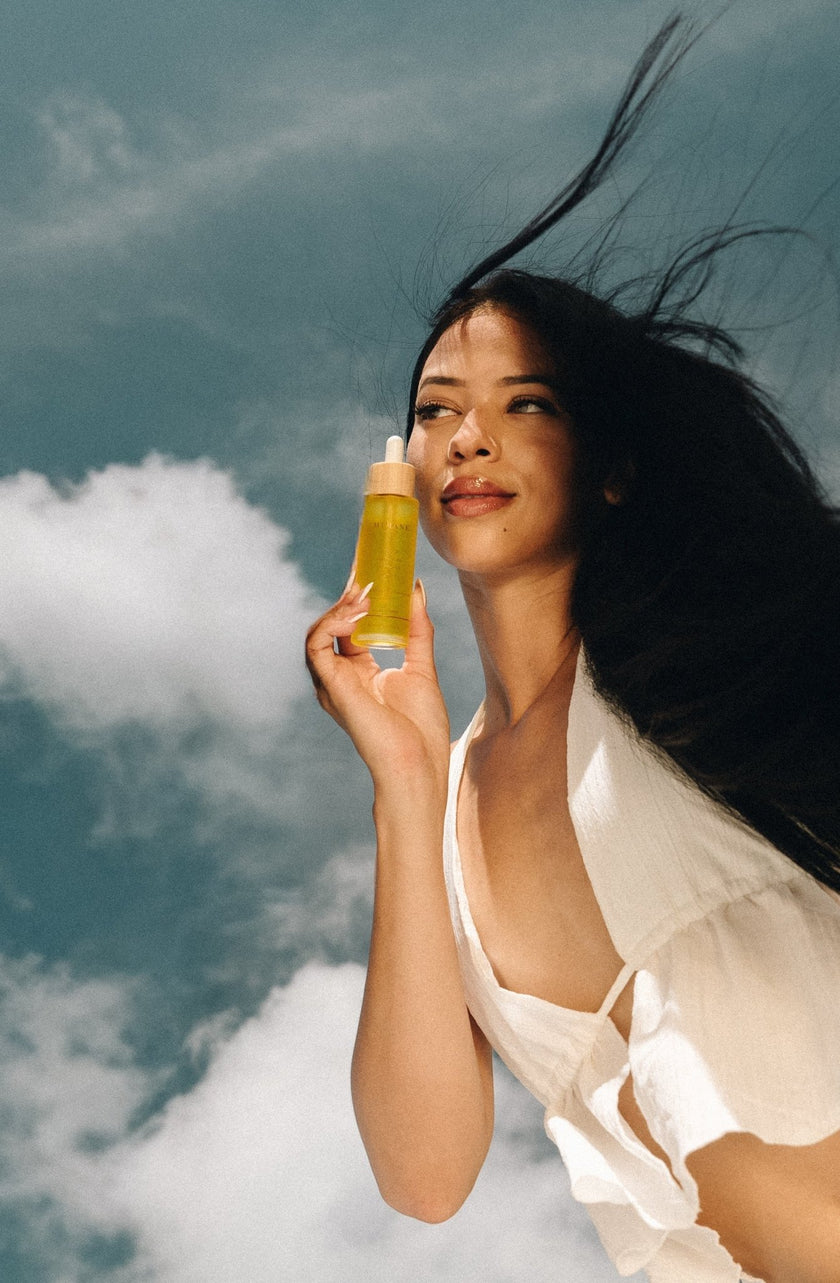
We built the Growth & Strengthen Hair Oil on a jojoba and pumpkin seed base for exactly these reasons. We wanted an oil that conditions and seals like the scalp's own sebum, stays light enough for fine and color-treated hair, and skips the mineral oil and harsh solvents that strip tone. Jojoba checked every box, so it became the foundation of the formula rather than a marketing add-on.
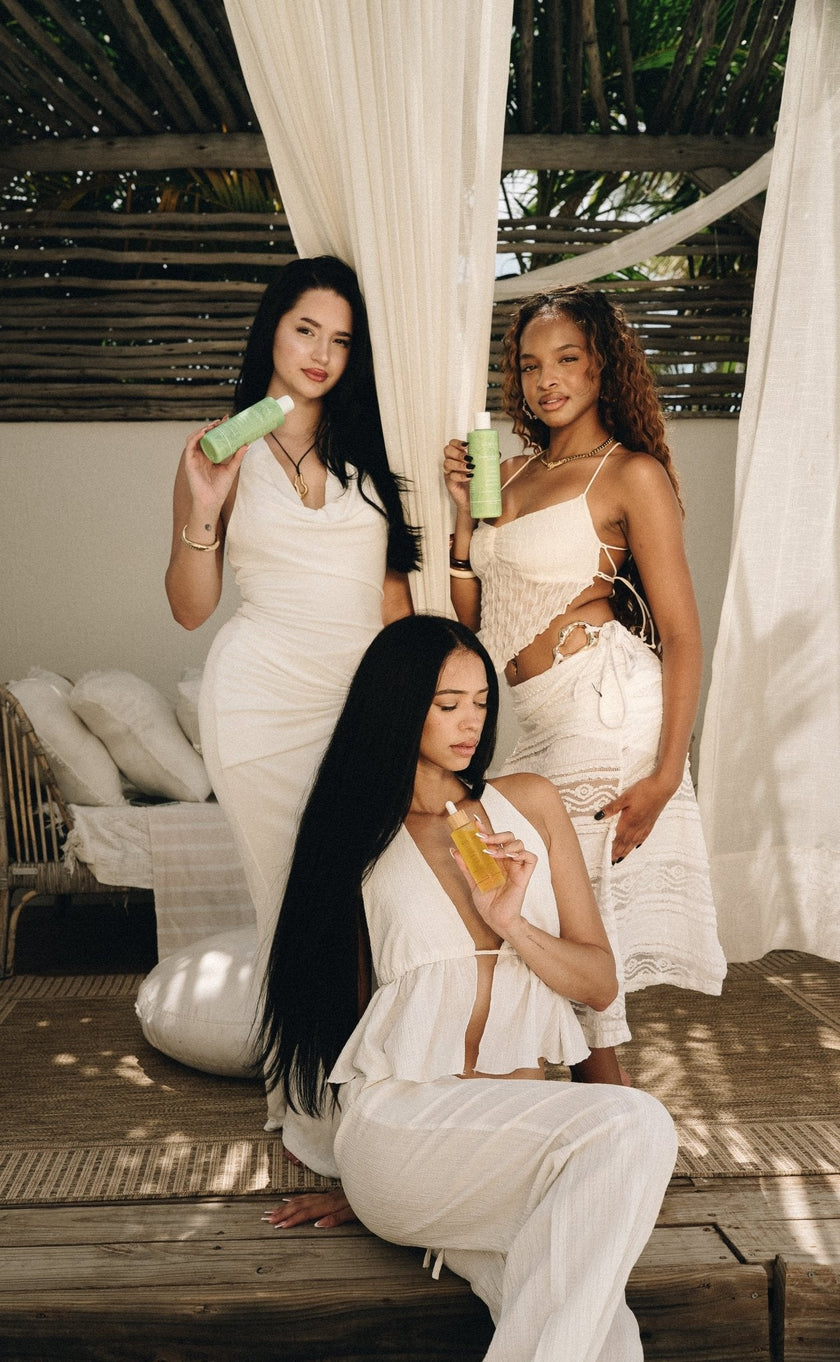
Pairing it with a sulfate-free wash makes the difference last. Our Nourish & Strengthen Shampoo cleans without the stripping surfactants that fade color fastest, so the jojoba is not fighting an aggressive cleanser every wash day. If you want the full reasoning behind the ingredient choices, we wrote it up in our ingredient notes on jojoba and pumpkin seed.
Frequently asked questions
Will jojoba oil change my hair color or tone?
No. Jojoba oil is clear and has no pigment or developer, so it cannot deposit color or shift your tone. It only affects how your existing color looks by adding shine and smoothing the surface.
Can I use jojoba oil right after I dye my hair?
It is best to wait until after your first wash or two so the cuticle settles and the toner sets. After that, a pre-wash treatment or light finishing oil is fine on color-treated hair.
How often should I use jojoba oil on color-treated hair?
A pre-wash treatment once or twice a week is plenty for most people, plus a small amount on the ends as a finishing oil whenever your hair looks dry. Adjust down if your hair gets oily fast.
Will jojoba oil make my hair greasy?
Not if you use a small amount and keep it on the mid-lengths and ends. Jojoba is one of the lighter oils, so one to two pumps usually smooths without buildup. Start low and add only if you need it.
Does jojoba oil work on all hair types?
Yes. Because it is lightweight, jojoba suits most hair types, from straight and wavy to curly and coily. Finer hair needs less, thicker or coarser hair can take a touch more.
Coloring your hair does not mean giving up oils. Jojoba is one of the safest ways to keep color-treated hair soft, shiny, and easier to manage, as long as you use it light and pair it with a gentle wash. Start with a weekly pre-wash treatment and a few pumps on your ends, and see how your color holds.
If you want the whole routine in one place, the Glow Kit pairs the jojoba-based hair oil with our sulfate-free shampoo and conditioner. It is the easiest way to keep your color looking fresh between washes.